



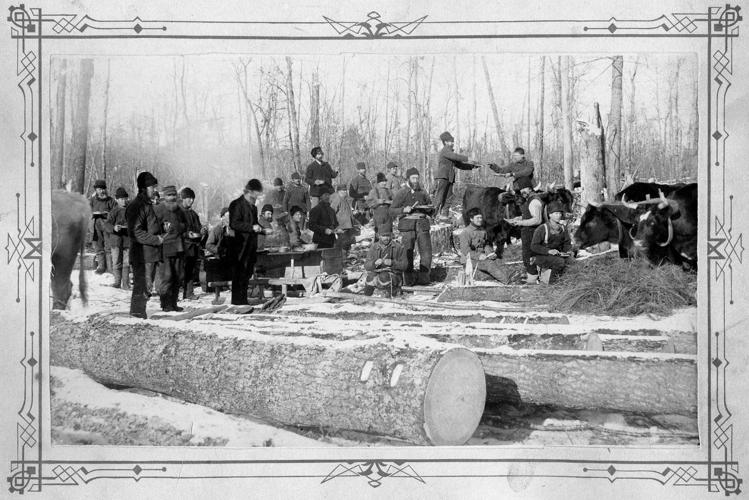
Back when the tall pine grew in the Chippewa Valley, it took a special kind of guy to be a lumberjack.
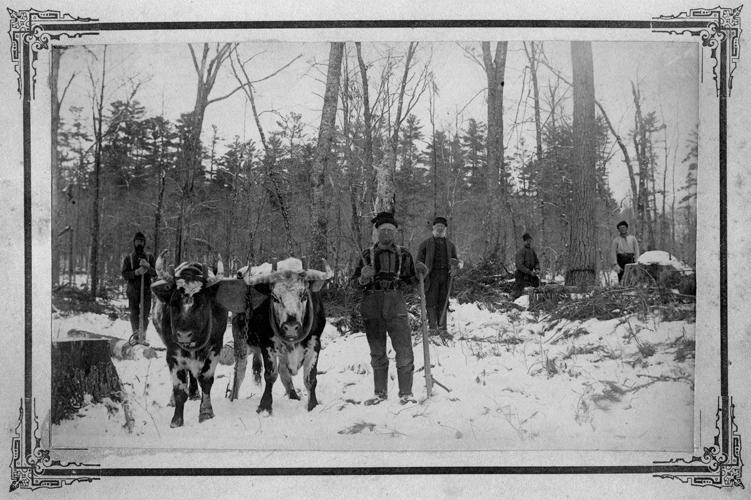
Spending months snowbound in the Wisconsin woods with an ax, an ox and two dozen other guys for your only company wasn't for everyone.
"The men employed in logging camps are of that class from which heroes are generally made," Julius Ingram wrote in 1877.
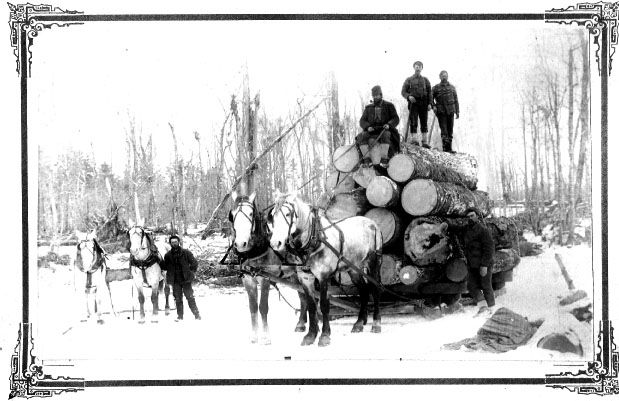
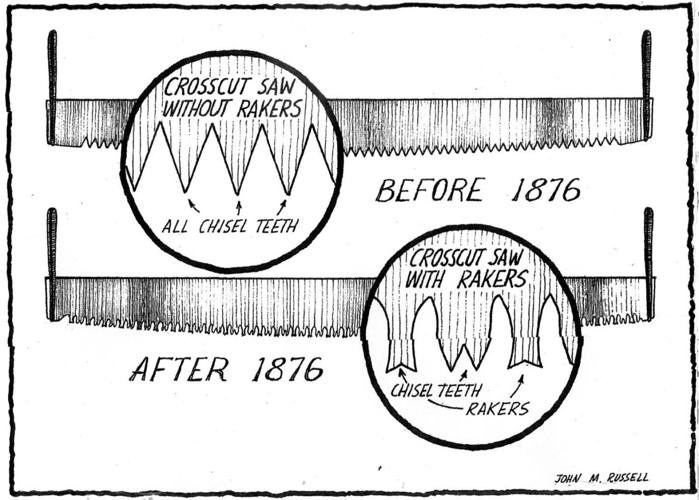
For the last half of the 19th century, loggers shaped the face of the Wisconsin landscape with doublebit axes and two-man saws. Within a half century, the greatest pine forest on earth was turned into the hog barns, outhouses and saloons that let American civilization spread across the treeless Midwestern plain.
And at the start of it was the man who cut down the tree.
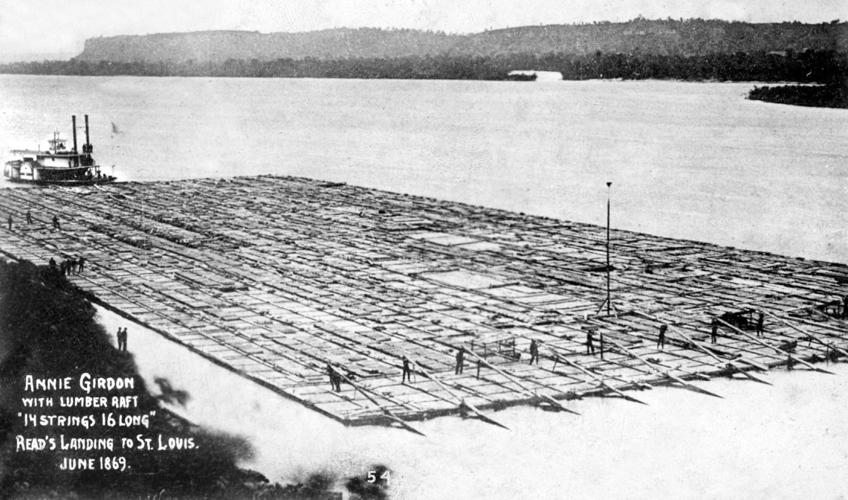
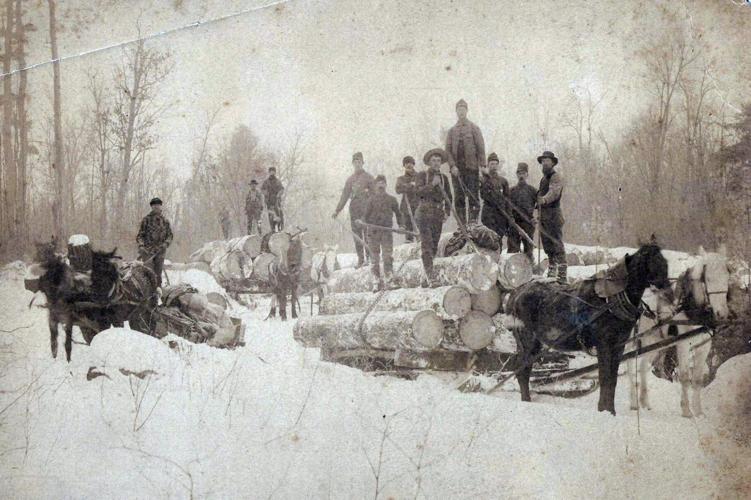
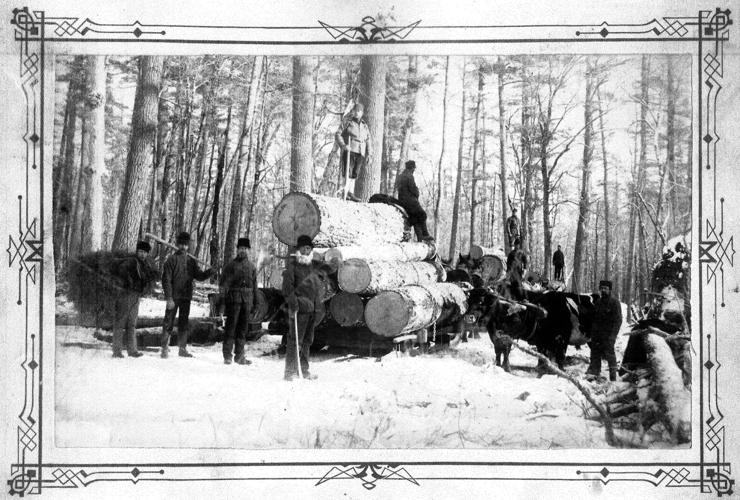
Logging was a wintertime occupation -- ice and frozen ground being necessary to skid logs out of the forest to the streams that would float them to the sawmill come spring. The "jacks" went into the woods at freeze-up in late fall and wouldn't see the lights of town until after the spring thaw.
People are also reading…
"Woodsmen are a good ways from being angels," Frank Cummings, a veteran lumber camp cook recalled in 1916, long after the last tree had fallen in the Chippewa pineries. "But the rip-roaring lumberjack we read about does not represent the majority of the crew."
They were young men, logging was a young man's occupation. Spring, summer and fall they planted and harvested, or worked the bustling sawmills in Winona and other towns up and down the river. In the winter, when snow covered the fields and ice sealed the floating logs into the millponds, they packed up their kits to head for the woods.
They lived in camps -- a dozen men or so in the early years, double that size later on -- and worked hard.
"It was no place for invalids or shirks," Cummings wrote. "That class will be 'shown the tote road' in short order."
Another veteran of the woods, Frank Aldrige, recalled in 1923 that "it was a common thing to work by the light of lanterns hours before daylight came and hours after darkness had fallen. The princely wage of $18 to $35 a month -- according to the classification of labor -- was for a no-limit working day."
But while he was in camp, a lumberjack's wage went a long way. Money lasts a long time when there's next to nothing to spend it on. The job came with bunk and board, and, in some camps, medical benefits.
Cummings records that Wisconsin lumberjacks were among the first American workmen to routine ly buy a primitive form of health insurance. "Nearly all woodsmen had hospital tickets," he wrote. "For a certain amount yearly, the holder of such a ticket was entitled to free hospital treatment for sickness or injury serious enough to warrant it."
But by 1916 the practice was all but forgotten. "Of late years the sale of hospital tickets has been largely given up," he noted.
The early camps -- state of Maine camps they were called -- were primitive in the extreme. The entire crew ate and slept in a single low building. Cooking was done over an open log fire in the middle of the floor.
"The smoke escaped, or was expected to escape, through a hole in the roof," according to an account published in the Eau Claire Telegram in 1916. "A sudden draft of air, however, caused perhaps by the opening of a door, would send the smoke in eddying circles round the room, to the great discomfort of everyone of the occupants."
Sleeping accommodations were equally unsophisticated. A "field bed" about 8 feet from head to foot and the length of the room from side to side, mattressed with marsh hay or pine boughs and covered by a single bedspread served the entire crew.
James Holden recalled nights in camp. "The men slept "spoon fashion" all lying on the same side. When one got tired of lying in one position and wanted a change he would holler "Spoon!" and everyone would turn over."
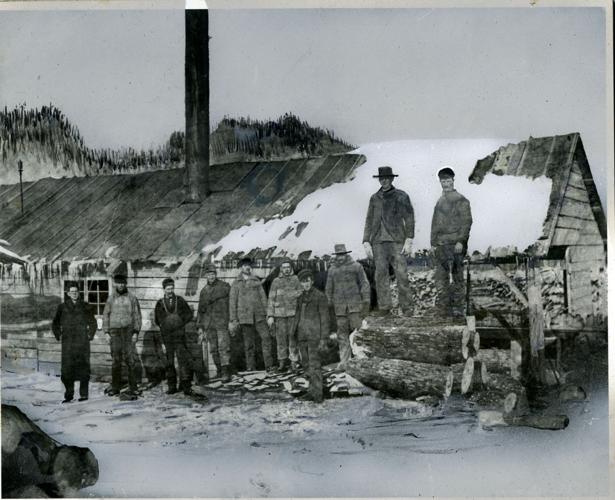
As years passed, accommodations improved. The cook shanty and the bunk house were separated, and men slept a civilized two to a bunk with an iron stove to keep the worst of the winter at bay.
The cook also enjoyed the relative luxury of cookstoves and iron sinks. While the cook and his assistants -- the cookees -- didn't have to brave the Wisconsin woods in January, their days began well before the first jack stirred from his bunk and they didn't see their own beds until the next day's beans were bubbling in the bean hole.
While most camps offered food aplenty, the menu varied little. Salt pork, salt beef, salt cod, beans, biscuits, flapjacks and molasses were on the table about as often as the jacks knees were under it. All camps enforced a tradition of eating in silence -- one way of holding grumbles about the grub to a minimum and keeping the cook in camp.
The bunk house, home to two dozen or more wool-clad, bean-fed, hard working men had its own charm. "The smoke from the men's pipes -- Adam's Standard, the odor of the perspiration of the men who had worked all day in the woods, the smell of the drying socks hung up over the big stove ... well, it was no garden of roses," J.M. Charles recalled years later.
As the weather warmed in the spring, the skid roads softened and work in the woods came to a halt. As the winter’s harvest of logs was let loose into the tributary streams, the men who cut them were let loose on the civilized world.
"It was some stunt to ride the train when the camps were breaking up," Charles wrote. "Men in all sorts of clothes of all colors, some were drunk and all refusing to pay their fares, ready to fight or to climb on the tops of the coaches. They had put in a long winter in camp with whiskey tabooed entirely, and now they were letting themselves loose."


