

If you make a purchase after clicking on links within this article, Lee Enterprises may earn affiliate commissions. The news and editorial departments had no role in the creation or display of this content.
Shilajit has gone from obscure Ayurvedic resin to the latest “must-have” in the biohacker toolkit. And for once, the hype may not be entirely wrong. Rich in fulvic acid, loaded with dibenzo-α-pyrones (DBPs), and stacked with trace minerals, real shilajit may boost mitochondrial function, sharpen mental energy, and even support testosterone. But here’s the catch: the market is drowning in inconsistent resins, powders with mystery origins, and gummies spiked with more sugar than shilajit.
If you actually want results – not just a jar of black goo sitting on your shelf – you may need to focus on brands that publish their lab data, standardize for bioactives, and deliver in formats that make sense. Reviewers for this article cut through the noise and built a list that does exactly that.
People are also reading…
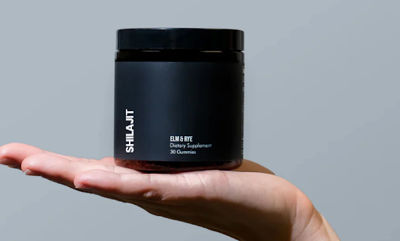
1. Elm & Rye Shilajit Capsules – Best Overall
If you want reliability, this is the no-brainer. Elm & Rye shilajit capsules are purportedly fully standardized, lab-tested, and dosed in clean, easy-to-take capsules. No scooping sticky resin, no guessing whether today’s serving is stronger or weaker than yesterday’s. Every cap potentially delivers the same consistent hit of fulvic acid and bioactives.
Users may love the simplicity – pop a capsule and you’re done. It’s travel-friendly, mess-free, and avoids the “earthy tar” taste that puts a lot of people off resin. Sure, purists might say capsules aren’t as “authentic,” but when you potentially want measurable results, standardized dosing always beats tradition.
Potential Pros:
- Precise, standardized dosing
- No mess or flavor issues
- Third-party lab-tested
- Convenient daily use
Cons:
- Less traditional than resin
- Premium pricing compared to powders
2. Nootrum Shilajit Resin – Most Potent
This is where potency lives. Nootrum’s resin may be the only one on the market standardized to both 85% fulvic acid and DBPs – the compounds that are purportedly most linked to testosterone, recovery, and energy metabolism. That means you’re not gambling with random batches of tar – you may be getting resin that’s been quantified and verified.
It’s not the easiest format. Resin takes patience: it’s sticky, messy, and you’ll have to stir it into warm water or tea. But the payoff might just be unmatched potency. The fact that Nootrum backs it with third-party testing and already has many 5-star reviews on the Shop app (an independent platform) shows that people may be getting real-world results – not just hype.
Potential Pros:
- 85% fulvic acid + DBP standardization
- Authentic Himalayan resin
- Appears to have massive user credibility with 3rd-party reviews
- May be ideal for testosterone and recovery support
Cons:
- Messy to dose
- Strong earthy taste not for everyone
- Not beginner-friendly
3. Angel Shilajit Gummies – Best Budget Pick
Not everyone wants sticky resin or pricey capsules. Angel’s gummies fill the gap as an affordable, beginner-friendly option that actually tastes good while still potentially delivering measurable amounts of fulvic acid. They’re vegan, they’re standardized, and they make shilajit accessible for people who’d never otherwise touch the tar-like stuff.
The trade-off is potency. Gummies may not be able to compete with a high-end resin or capsule when it comes to testosterone or hardcore energy support. But if your goal is mild mood, focus, and daily energy, they might just get the job done without burning your wallet.
Potential Pros:
- Affordable and beginner-friendly
- Standardized for fulvic acid
- Vegan and actually tastes good
- Zero mess compared to resin
Cons:
- Lower dose than capsules or resin
- Not ideal for athletes chasing max results
4. Cymbiotika Shilajit – Best Premium Liquid
Cymbiotika positions itself as the luxury shilajit brand, and honestly, it looks the part. Their formula is delivered in a sleek dropper bottle, suspended in MCT oil and blended with trace gold and silver. The extras are mostly marketing sparkle – the real value here may be in the base shilajit, which is purportedly high-quality and standardized.
Where Cymbiotika shines is the delivery method. The liquid format absorbs quickly, making it attractive for people who want fast uptake without the resin ritual. The downside? Price. A small bottle won’t last long if you’re dosing daily, and you may pay a hefty premium for the fancy packaging.
Potential Pros:
- Potentially fast-absorbing liquid format
- Sleek, premium presentation
- Includes trace minerals and noble metals
Cons:
- Very expensive for the amount you get
- Gold/silver additions are gimmicky
- Runs out fast with regular use
5. Double Wood Shilajit – Best Entry-Level Capsule
Double Wood takes the opposite approach to Cymbiotika: no luxury packaging, no fancy gimmicks, just a clean, budget-friendly shilajit capsule. According to the label, standardized to 20% fulvic acid and backed by third-party testing, it may be a no-nonsense option for people dipping their toes into the world of adaptogens.
It’s not the most potent formula, and it doesn’t contain DBPs, but it earns points for transparency and accessibility. If you want to try shilajit without dealing with resin or dropping a lot of cash, Double Wood may be a safe starting point.
Potential Pros:
- Affordable and widely available
- Clear labeling and testing
- Easy-to-take capsules
Cons:
- Lower fulvic acid percentage than top brands
- No DBP standardization
- Not strong enough for max performance
6. Sunfood Superfoods Shilajit Powder – Best for Smoothie Stacks
Sunfood’s shilajit powder is built for people who love to stack supplements into smoothies or morning tonics. The powder dissolves easily into liquids and pairs well with other adaptogens like maca, cacao, or ashwagandha.
The issue is precision – powder may not be standardized for fulvic acid or DBPs, so you don’t always know exactly what you’re getting. It might be better as a lifestyle add-on than a clinically precise supplement. Still, for functional food fans, it could be a versatile option.
Potential Pros:
- Easy to blend into drinks and smoothies
- Large servings per bag
- Versatile for stacking
Cons:
- No clear standardization
- Dosing can be inconsistent
- Not ideal for performance-focused users
7. Upakarma Ayurveda Shilajit – Best Traditional Resin
Upakarma leans heavily into the Ayurvedic roots of shilajit. Their resin is pitched as “authentic Himalayan pitch,” packaged in a simple jar with a dosing spoon. The appeal is all about tradition – it’s marketed toward people who want the ritual of taking shilajit as it’s been used for centuries.
The downside is predictability. Upakarma doesn’t list fulvic acid percentages, and batches can vary. For purists who want the heritage vibe, it may scratch the itch, but for anyone chasing consistent results, it could fall short.
Potential Pros:
- Authentic Himalayan resin feel
- Budget-friendly compared to premium resins
- Fits Ayurvedic tradition
Cons:
- No standardization numbers
- Batch variability
- Earthy, bitter taste may put people off
8. Nature’s Craft Shilajit – Best Amazon Pick
Nature’s Craft has carved out a space by making shilajit capsules accessible through major retailers like Amazon. They highlight transparency, affordability, and simplicity. The capsules are clean and standardized for fulvic acid, making them a decent choice for casual supplement users who want the convenience of fast shipping.
It won’t compete with Elm & Rye or Nootrum on potency, but for mainstream buyers who don’t want to research obscure brands, it could be an approachable option.
Potential Pros:
- Easy to order from Amazon
- Standardized capsules
- Affordable price point
Cons:
- Not the most potent formula
- No DBP content listed
- Lacks the credibility of specialist brands
9. Himalayan Healing Shilajit Resin – Best Small-Batch Option
Himalayan Healing emphasizes small-batch, “hand-harvested” resin sourced from higher elevations. Their branding is all about purity, altitude, and authenticity. The resin is thick, sticky, and definitely earthy – everything a traditionalist would expect.
Again, though, standardization is the sticking point. They don’t quantify fulvic acid or DBPs, so results may be hit or miss. If you want an artisanal, less commercial resin, it may be worth a try, but performance-focused buyers may want more data.
Potential Pros:
- Small-batch harvesting
- Traditional Himalayan source
- Strong cultural branding
Cons:
- No lab-verified standardization
- Messy to use
- Batch variability
10. Pure Himalayan Shilajit Resin – Best for Purists
Pure Himalayan is one of the more well-known resin brands, and they’ve built their reputation on authenticity. Packaged in glass jars with dosing spoons and certificates of authenticity, it’s clear they lean into the ceremonial vibe.
The resin is strong, thick, and earthy – exactly what purists want. But again, it’s not standardized, so potency may be variable. If you’re in it for the ritual, it might be one of the most Instagram-friendly options, but if you want clinical precision, it may not be not the best choice.
Potential Pros:
- Authentic Himalayan resin with ritual appeal
- Comes with spoon and certificate
- Strong, earthy taste for traditionalists
Cons:
- No DBP or fulvic acid quantification
- Premium price for inconsistent potency
- Not ideal for results-focused buyers
11. Doctor’s Best Shilajit – Best Pharmacy Shelf Option
Doctor’s Best may be one of the few mainstream brands you’ll find on actual pharmacy shelves that doesn’t completely waste your time. Their shilajit capsules are standardized for fulvic acid, possibly giving them more credibility than most store-bought options that just say “Himalayan extract” with no numbers attached.
It may not be elite-level like Elm & Rye or Nootrum, and it won’t blow you away with potency, but it may be reliable, accessible, and come from a company with a solid track record in the supplement space. If you’re stuck buying something locally, this may be one of the only safe bets.
Potential Pros:
- Standardized fulvic acid content
- Widely available in stores
- Trusted mainstream supplement brand
Cons:
- No DBP quantification
- Lower potency than specialist brands
- Not ideal for max performance goals
12. Lotus Blooming Herbs Shilajit – Best Ayurvedic-Certified Resin
Lotus Blooming Herbs is a brand built on tradition. Their resin is wild-harvested from the Himalayas and certified for authenticity in the Ayurvedic system. The pitch is about purity, altitude, and ritual, not clinical precision.
The resin appears to be real and thick, and many traditionalists swear by it. But here’s the catch – it’s not standardized, so you don’t know what percentage of fulvic acid or DBPs you’re getting. That may make it less appealing to performance-driven users but attractive for those chasing heritage over milligrams.
Potential Pros:
- Wild-harvested at high altitude
- Ayurvedic certification
- Long-standing reputation
Cons:
- No standardization data
- Expensive for what you get
- Potency varies by batch
13. Sayan Siberian Shilajit – Best Non-Himalayan Option
Not all shilajit comes from the Himalayas, and Sayan makes the case for Siberian-sourced resin. Their pitch is that Siberian environments produce a similar mineral pitch, and the resin itself looks and tastes the part.
The problem is data – there’s far less research on Siberian shilajit compared to the Himalayan variety. While Sayan claims decent fulvic acid content, it’s not as rigorously tested or standardized as the top-tier options. It may be worth a try for curiosity, but it might not be the smartest pick if you’re chasing performance.
Potential Pros:
- Unique Siberian origin
- Resin format for purists
- Decent fulvic acid claims
Cons:
- Limited clinical backing
- No DBP quantification
- Less proven than Himalayan sources
14. Nature’s Way Shilajit – Best Big Brand Capsule
Nature’s Way is one of the better-known big supplement brands, and their shilajit capsules are about as mainstream as it gets. They’re standardized for fulvic acid, which is already ahead of most supermarket options, and they come with the kind of brand trust that only a major player can offer.
But like most mainstream formulas, the potency isn’t top-tier. You’re getting a baseline hit of shilajit that may be safe and consistent, but not groundbreaking. It could be a dependable choice if you’re already shopping mainstream, though niche brands may still dominate on strength.
Potential Pros:
- Standardized fulvic acid
- Big brand with wide availability
- Clean, simple capsule format
Cons:
- No DBPs
- Lower strength than niche competitors
- More about convenience than performance
15. Authentic Shilajit – Best Variety Brand
Authentic Shilajit (yes, that’s the actual brand name) has one major selling point: variety. They sell shilajit in nearly every format – resin, capsules, tablets, and powder – so you can experiment with what works best for you.
The resin is of decent quality, the capsules are fine, and they provide test results on their site. But standardization varies by format, so it may not always be clear how consistent the potency is. Still, if you want to sample across forms without hunting multiple brands, they may make it easy.
Potential Pros:
- Multiple formats available
- Lab reports published
- Decent quality across the board
Cons:
- Inconsistent standardization across products
- Branding is generic
Value for Money
With shilajit, sticker price alone doesn’t mean much. You’ll see jars of resin selling for cheap, but once you realize the fulvic acid content is unlisted – or so low you’d need triple servings to hit an effective dose – that bargain starts looking like expensive mud.
Elm & Rye’s capsules sit at the premium end, but you’re paying for precision and convenience. Every cap delivers a purported clean, lab-tested dose, which saves you from wasting money on inconsistent resins. If you want reliability without second-guessing, this may be money well spent.
Nootrum’s resin isn’t cheap either, but it’s the only brand that actually publishes both fulvic acid (85%) and DBP content. Add in the many 5-star reviews on the Shop app, and you’re not just buying resin – you may be buying results that people keep coming back for.
Angel’s gummies, on the other hand, are the true budget pick. They’re not as strong as capsules or resin, but they’re affordable, standardized, and approachable, which may make them an excellent entry-level value.
Bottom line: value comes down to cost per effective dose, not just price per jar. On that front, Elm & Rye wins for daily practicality, Nootrum wins for raw potential potency, and Angel may deliver the best low-cost entry point.
Potency & Standardization
This is where the pretenders get exposed. Most shilajit brands slap “Himalayan resin” on a label without listing fulvic acid percentages or DBPs, which means you may be buying mystery tar. If the numbers aren’t there, it usually may mean the actives are weak.
Elm & Rye solves this with standardized, precise capsules. You know exactly what you’re getting in every serving. That predictability may be worth its weight in gold when consistency matters.
Nootrum pushes it further by publishing full specs – 85% fulvic acid plus verified DBP levels. Very few in the resin game do that, which may be why it tops the potency list for serious users.
Angel doesn’t compete on raw strength, but their gummies still include standardized fulvic acid levels, which may put them ahead of half the market. They’re lower dose, sure, but at least you know what you may be getting.
When comparing potency, the hierarchy is clear: standardized capsules and high-spec resin lead the pack, gummies follow as a lighter option, and unstandardized powders or “authentic” resins barely make the cut.
Customer Reviews
The best way to cut through marketing hype? See what real people say after buying.
Elm & Rye has built trust by consistently delivering what the label promises. Reviews highlight fewer crashes, steady energy, and improved focus over time – without the mess of resin. Your results, of course, may vary. People don’t gush about “miracle cures” (a red flag), but they do talk about potentially dependable results that keep them coming back.
Nootrum has one of the strongest credibility signals in the space: many 5-star reviews on the Shop app, an independent platform. Some customers may call out higher energy, faster recovery, and better hormone balance. That third-party validation makes it hard to argue with.
Angel’s gummies are praised for exactly what they are – tasty, affordable, and approachable. Some reviewers love that they don’t have to deal with resin, even if the trade-off is potency.
The common thread? The best-reviewed brands are the ones that keep customers reordering. Elm & Rye wins for reliability, Nootrum for raw impact, and Angel for accessibility.
Final Thoughts
The shilajit market is a minefield – half the products out there are just overpriced tar in a jar with no numbers behind them. If you want real results, you need standardization, dosing, and sourcing transparency. That’s why Elm & Rye, Nootrum, and Angel stand apart from the noise.
Elm & Rye is the smart, no-fuss daily option. You pop a capsule and know you may be getting a clean, measured, lab-tested dose every time. Nootrum is the heavy hitter – standardized to 85% fulvic acid and DBPs, backed by verified 5-star reviews, and built for serious users who want possible testosterone, recovery, and energy upgrades. Angel Gummies are the wallet-friendly gateway – less potent, but easy to take, vegan-friendly, and may be perfect for beginners who just want a simple daily boost.
Everything else on the list has its place – Cymbiotika if you want flashy premium liquids, Upakarma if you’re chasing the ritualistic Ayurvedic vibe, and budget capsules like Double Wood if you just want something straightforward. But if you care about effective dosing and possible real-world results, the top three are where the smart money goes.
FAQ – Best Shilajit Brands
Do shilajit supplements actually work?
They do, but only if you buy the right ones. Standardized shilajit with proven fulvic acid and DBP content may support energy, testosterone, cognition, and recovery. Unlabeled jars of resin with no numbers? You’re basically gambling.
Is resin better than capsules or gummies?
Not automatically. Resin looks “traditional,” but unless it’s standardized like Nootrum’s, potency varies wildly. Capsules like Elm & Rye may offer clinical precision, while gummies like Angel trade some strength for convenience and taste.
What’s the strongest shilajit brand?
Nootrum Shilajit Resin takes that title – standardized to 85% fulvic acid and DBPs, which may be tough for other resin brands to match. It’s messy, but it delivers some potentially serious results.
What’s the best shilajit for beginners?
Angel Gummies. They’re affordable, taste good, and give you a clean intro to shilajit without the learning curve of resin or the intensity of high-potency stacks.
How long does it take to feel results?
Some people may notice more steady energy and focus within 2–3 weeks. Testosterone or recovery benefits may take 6–8 weeks of consistent use. Individual results may vary.
Are expensive shilajit brands worth it?
Sometimes. You’re paying for standardization, testing, and consistency. Elm & Rye and Nootrum justify their price tags by possibly delivering exactly what they claim. Budget options may hide weak potency behind marketing.
Do I need to cycle shilajit?
Not necessarily. Some people may take it daily without issue. But if you’re using high-dose resin, some prefer cycling to keep sensitivity high – though that’s more personal preference than hard science.